
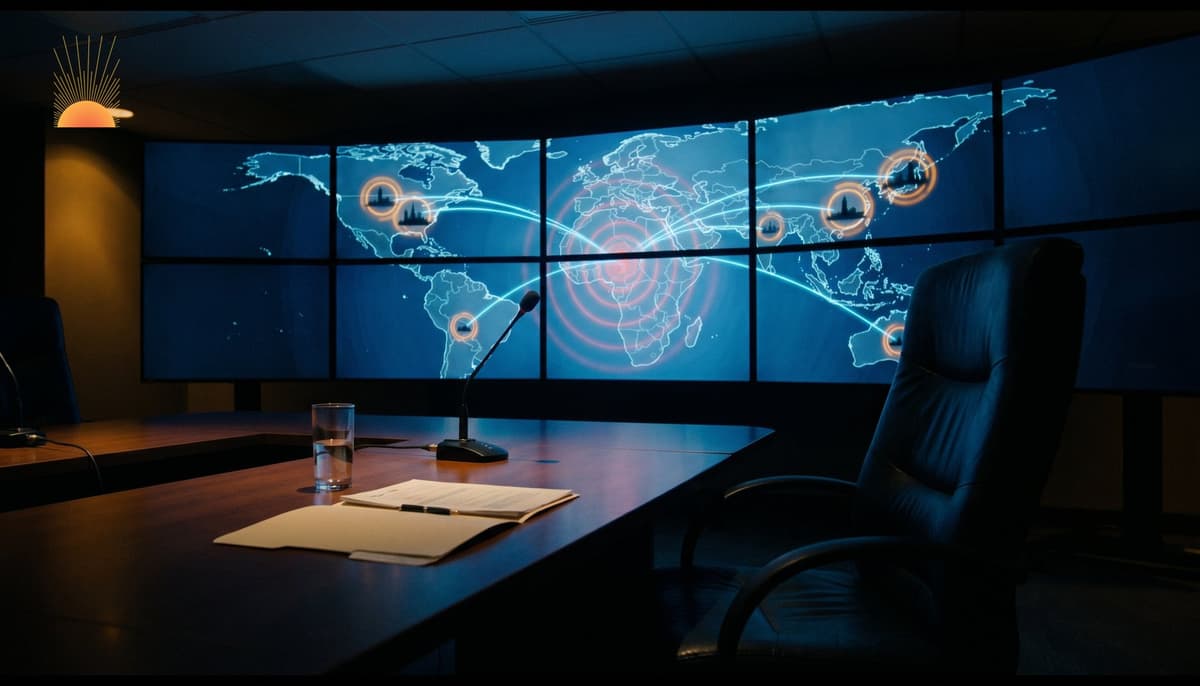
The World Health Organization (WHO) on 17 May 2026 declared the Ebola outbreak in Congo and Uganda a Public Health Emergency of International Concern (PHEIC), warning of potential cross-border spread and heightened outbreak severity.
This declaration reinforces a broader global reality: health emergencies are no longer isolated incidents but interconnected risks requiring coordinated international preparedness systems.
Official WHO Reports
Reuters – WHO Declares Ebola Global Emergency
UN News – Ebola Emergency Response
WHO Key Warnings (Ebola PHEIC – 17 May 2026)
- Risk of international transmission across borders
- Potential undetected spread in early stages
- Increasing pressure on fragile healthcare systems
- Need for urgent global coordination and surveillance
- Requirement for rapid containment and diagnostic expansion
Repeated Global Warnings (WHO & IAEA – 2026 Continuity Alerts)
Throughout 2026, both WHO and the International Atomic Energy Agency (IAEA) have issued repeated and consistent global warnings to member states, emphasizing that preparedness gaps exist across multiple threat domains.
These repeated alerts cover:
1. Pandemic & Infectious Disease Risks
- Ebola and viral hemorrhagic fevers
- Zoonotic spillover risks
- Future pandemic threats
- Weak surveillance and delayed response systems
2. Radiation & Nuclear Emergency Risks (WHO + IAEA)
- Nuclear accident preparedness
- Radiological exposure incidents
- Cross-border contamination risks
- Medical readiness for radiation emergencies
- Continuous monitoring and early warning systems
Official references:
Core Global Message from WHO & IAEA
Across repeated briefings, the unified message remains:
This includes maintaining readiness systems that are active before, during, and after crises — not created only after an event occurs.
Nation-Level Preparedness Priorities (WHO & IAEA Guidance)
Countries are repeatedly urged to strengthen:
- Strategic stockpiling of antidotes and emergency medicines
- Deployment-ready emergency response kits
- Structured Civilian Response Training (CRT) systems
- National preparedness manuals and response frameworks
- Rapid deployment emergency responsive kits
- Radiation and biological emergency coordination systems
Civilian Response Training (CRT) Framework
CRT systems are designed to build structured civilian and institutional readiness for multi-layered emergencies.
Core components include:
- Pandemic and outbreak response awareness
- CBRN (chemical, biological, radiological, nuclear) preparedness
- Infection control and containment practices
- Emergency communication protocols
- Evacuation and shelter coordination systems
- Basic emergency medical response training
- Crisis logistics and continuity planning
- Structured use of emergency responsive kits
- Antidote awareness and emergency deployment readiness
- Institutional and community resilience building
Integrated Preparedness Ecosystem — GOLDEN HOUR PHARMA
GOLDEN HOUR PHARMA operates within a structured preparedness ecosystem focused on pharmaceutical resilience, emergency readiness, and institutional support systems.
Manufacturing Specialization (750+ Products)
- Sterile injectables
- Tablets & capsules
- Syrups & suspensions
- Ointments and topical formulations
- Eye and ear drops
- Emergency antidotes
- Oncology therapies
- Autoimmune disease treatments
- Critical care medicines
- Infection control pharmaceuticals
Emergency Preparedness Portfolio
- Emergency antidote systems
- Emergency response kits for rapid deployment
- Radiation preparedness pharmaceutical support
- Crisis-response medical supply systems
- Structured emergency responsive kits for institutions and field deployment
Civilian Response Training (CRT) — GOLDEN HOUR PHARMA SYSTEM
CRT programs are structured to enable civilians and institutions to function effectively during crises.
Training includes:
- Pandemic and epidemic response systems
- CBRN awareness and response behavior
- Radiation emergency response preparedness
- Chemical exposure awareness and safety protocols
- Biological outbreak containment awareness
- Emergency communication and coordination systems
- Evacuation planning and shelter management
- Basic emergency medical response capability
- Crisis logistics and operational continuity planning
- Structured training in emergency responsive kit usage
- Antidote awareness and deployment procedures
- Preparedness manuals for institutional use
Strategic Preparedness Infrastructure Alignment
GOLDEN HOUR PHARMA also aligns with broader preparedness infrastructure systems, including:
- CBRN bunker and shelter systems
- Decontamination and isolation units
- Mobile emergency response systems
- National preparedness infrastructure frameworks
- Emergency logistics and supply chain resilience systems
Conclusion
The WHO declaration of 17 May 2026, combined with repeated global warnings from WHO and IAEA, reflects a consistent international position:
Emergencies across infectious disease and radiation domains are increasing in complexity and frequency, requiring nations to adopt continuous, integrated preparedness systems.
The future of global safety depends on how effectively nations implement antidote readiness, emergency response kits, CRT systems, and structured response frameworks.
Preparedness is no longer optional — it is a strategic necessity.