
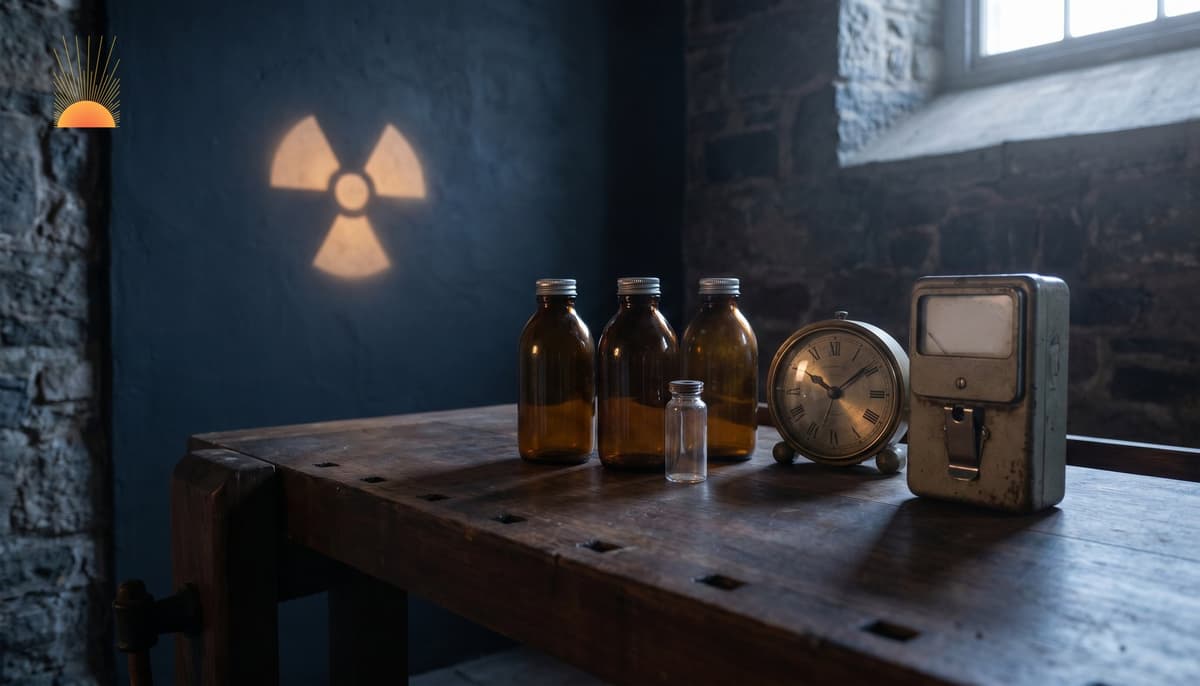
Radiation poisoning is not a single moment of injury—it is a rapidly evolving medical emergency where internal cellular damage begins immediately and progresses through predictable but dangerous stages.
The outcome depends on three critical factors:
- Radiation dose
- Time to medical intervention
- Availability of specialized medical countermeasures
Understanding this progression is essential for survival in any nuclear or radiological exposure scenario.
What is Radiation Poisoning?
Radiation poisoning, medically known as Acute Radiation Syndrome (ARS), occurs when the body is exposed to high levels of ionizing radiation in a short time.
It primarily affects:
- Bone marrow (blood cell production)
- Gastrointestinal tract
- Skin and tissue systems
- Immune system
- In severe cases, the central nervous system
Damage begins at the DNA level long before visible symptoms appear.
How Radiation Affects the Body
Ionizing radiation destroys rapidly dividing cells, which are essential for survival.
Most affected systems include:
- Bone marrow → loss of white blood cells and immunity
- Intestinal lining → inability to absorb nutrients and fluids
- Skin cells → burns and tissue damage
- Immune system → infection vulnerability
As these systems fail, the body enters a progressive breakdown phase.
Radiation Poisoning Timeline: Step-by-Step Progression
1. Exposure Phase (Seconds to Minutes)
No visible symptoms occur, but internally:
- DNA strands break
- Cellular stress begins
- Free radicals form rapidly
This is the silent initiation of injury.
2. Prodromal Phase (Minutes to 48 Hours)
Early symptoms begin:
- Nausea and vomiting
- Weakness and fatigue
- Headache
- Fever
- Loss of appetite
- Skin redness (in higher exposure cases)
Earlier onset of symptoms usually indicates higher radiation dose.
3. Latent Phase (Hours to Weeks)
A deceptive phase where symptoms temporarily improve.
However internally:
- Bone marrow continues to deteriorate
- White blood cell count drops
- Immune system weakens
- Cellular repair fails silently
The body appears stable but is critically damaged inside.
4. Manifest Illness Phase (Days to Weeks)
This is the life-threatening phase.
- Severe infections
- Bleeding disorders
- Anemia
- Severe diarrhea
- Dehydration
- Electrolyte imbalance
- Internal bleeding
- Burns
- Blistering
- Hair loss
- Tissue necrosis
At high doses, multiple organ systems begin to fail simultaneously.
5. Outcome Phase
Possible outcomes:
- Full recovery (low exposure, early treatment)
- Long-term organ damage
- Death due to infection, bleeding, or organ failure
The determining factor is speed of intervention.
Severity Levels of Radiation Exposure (ARS Classification)
- 1–2 Gy: Mild exposure, survival likely
- 2–6 Gy: Moderate, requires intensive treatment
- 6–8 Gy: Severe, high mortality risk
- >8 Gy: Critical, often fatal without immediate care
Treatment of Radiation Poisoning
There is no single antidote. Treatment is multi-layered and time-sensitive.
- Removal of contaminated clothing
- Thorough washing of skin and hair
- Preventing further absorption
- IV fluid replacement
- Antibiotics for infection control
- Blood transfusions
- Protective isolation
- Potassium Iodide (KI): Blocks radioactive iodine absorption in thyroid
- Prussian Blue (Ferric Hexacyanoferrate): Removes cesium and thallium from the body
- Hematopoietic growth factors (G-CSF): Stimulate white blood cell recovery
Effectiveness is highest when administered early.
Role of Medical Preparedness in Radiation Emergencies
Radiation emergencies are not only medical events—they are system readiness failures if countermeasures are not immediately available.
In such situations, survival depends not only on treatment protocols but also on the availability of critical medicines, antidotes, and supportive therapies at scale and speed.
GOLDEN HOUR PHARMA is a WHO certified pharmaceutical manufacturer with more than 750 products across sterile and non-sterile categories, including tablets, capsules, injectables, syrups, ointments, and eye and ear drops.
Specializing in emergency antidotes, oncology, and autoimmune therapies, the company supplies to more than 30 countries with strong regional partners in Saudi Arabia, UAE, and Bahrain.
It is positioned as a force in pharmaceutical preparedness, ensuring timely delivery and affordable pricing backed by crisis and disaster response experience.
Beyond manufacturing, it acts as a long-term preparedness partner to governments and institutions—providing emergency medications, antidotes, response kits, technical expertise, structured manuals, and civilian preparedness support that strengthens real-world crisis response capability.
Its role extends into building preparedness ecosystems that ensure communities and systems are not only supplied—but ready.
Why Time is the Defining Factor
Radiation injury is progressive and time-sensitive.
Delays can lead to:
- Bone marrow failure
- Immune collapse
- Severe infection
- Multi-organ dysfunction
- Increased mortality
Early intervention remains the strongest survival factor.
Final Perspective
Radiation poisoning is a staged biological collapse that begins silently but rapidly becomes life-threatening. Survival depends on early recognition, rapid response, and access to medical countermeasures.