
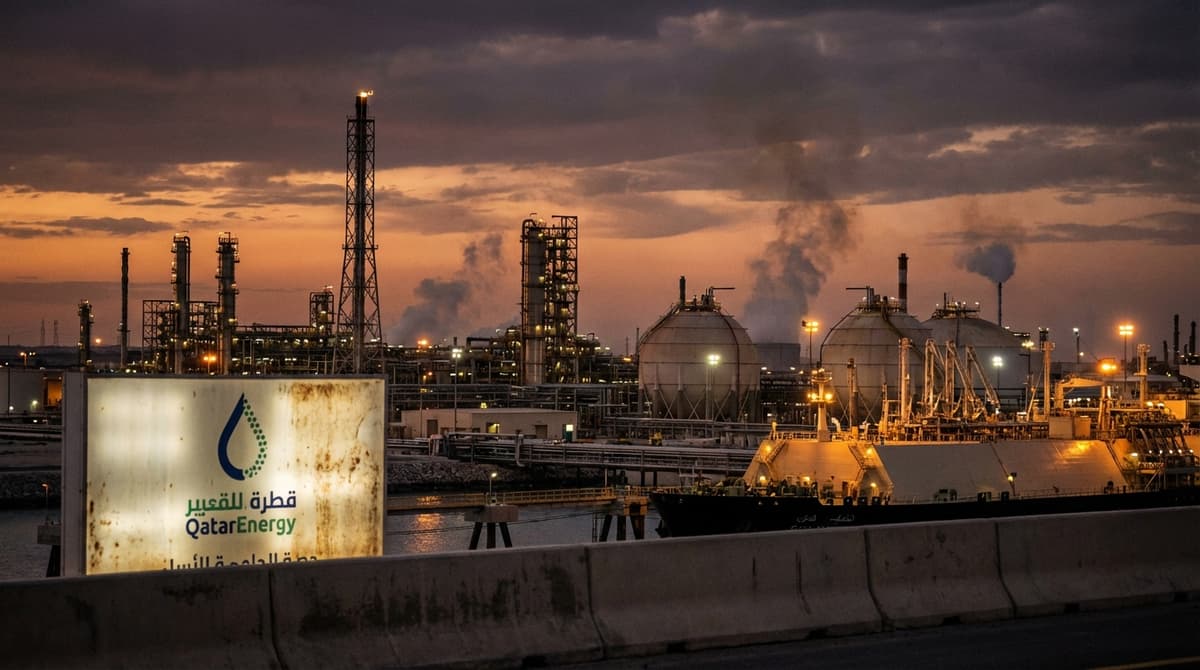
Qatar is one of the most influential players in the global gas ecosystem — among the top exporters of Liquefied Natural Gas (LNG) globally, supplying Asia, Europe, and parts of the MENA region through long-term, high-volume contracts.
Qatar operates one of the largest gas fields in the world — the North Field. Any disruption in its supply chain would immediately affect multiple continents simultaneously.
Key Gases Used in Healthcare & Scanning Systems
Healthcare depends not just on natural gas, but on refined and specialty gases that power diagnostics, life support, manufacturing, and sterilization.
1. Imaging & Scanning Systems
Helium (He) is critical for MRI superconducting magnets. A helium shortage causes MRI shutdowns across hospitals. Without functioning MRI machines, the detection of cancer, neurological disorders, and internal injuries becomes severely limited. Xenon (Xe), used in specialized lung imaging and research, also faces supply pressure during geopolitical disruptions — affecting advanced diagnostic capabilities at leading medical centers.
2. Patient Care & Life Support
Medical oxygen (O₂) is the foundation of ICU care, ventilator support, and emergency treatment. Any interruption in oxygen supply is directly life-threatening. Nitrous oxide (N₂O), essential for anesthesia and pain management, is equally critical — its absence disrupts surgical procedures and emergency pain control protocols across hospitals of all sizes.
3. Pharmaceutical Manufacturing
Nitrogen (N₂) is indispensable for inerting, blanketing, and maintaining drug stability throughout manufacturing. Hydrogen (H₂) drives API synthesis through hydrogenation reactions — a process at the heart of producing many active pharmaceutical ingredients. Carbon dioxide (CO₂) is essential for biologics, vaccine production, and fermentation processes. Together, these three gases underpin the global pharmaceutical manufacturing chain.
4. Sterilization & Cleanroom Systems
Ethylene oxide (EtO) is the primary sterilization agent for medical devices and temperature-sensitive pharmaceutical products. Its unavailability renders medical devices unsafe for use. Compressed air and specialty gas mixtures also support cleanroom operations and environmental controls — ensuring that drug manufacturing environments remain contamination-free and compliant with international regulatory standards.
5. Diagnostics & Laboratory Use
Helium, hydrogen, and nitrogen are all essential gases for chromatography and analytical testing in clinical and pharmaceutical laboratories. These tests underpin drug quality verification, disease diagnostics, and research. When specialty gas supply is compromised, laboratory throughput drops, testing accuracy is affected, and critical diagnostic timelines are extended.
Regions Most at Risk if Gas Supply Halts
If war escalates and gas supply chains remain disrupted, the crisis will not be evenly distributed. Certain regions will be hit faster and harder based on their import dependency, manufacturing capacity, and healthcare infrastructure.
Europe Highest Immediate Risk
Europe faces heavy dependence on imports — both pipeline gas and LNG. Despite having highly advanced healthcare systems, those systems are deeply energy-dependent.
- Hospital energy shortages
- Reduced imaging and diagnostics
- Pharmaceutical production slowdown
MENA Region Strategic but Vulnerable
While some countries in the MENA region produce gas, many rely on intra-regional logistics and imports. Conflict in key transit routes and shipping lanes disrupts distribution even when supply exists.
- Uneven distribution of medical gases
- Strain on public healthcare systems
- Need for emergency stockpiling
Africa
Africa has high dependency on imports for both gases and medicines, with limited local manufacturing capacity. Already-fragile healthcare systems face the most severe consequences from supply chain failure.
- Severe medicine shortages
- Collapse of critical care infrastructure
- Increased mortality in fragile systems
South Asia
South Asia hosts large populations with rapidly growing healthcare demand and partial dependency on imports for industrial gases. As the world's generic medicine production hub, any disruption here has global downstream consequences.
- Disruption in pharma manufacturing (especially generics)
- Delays in diagnostics and treatment
Latin America
Latin America has mixed production capacity but remains logistics-dependent for specialty gases and advanced medicines. Supply chain delays translate directly into healthcare cost increases and reduced access.
- Supply chain delays
- Increased healthcare costs
- Limited access to advanced treatments
The Global Reality
If war continues and gas supply does not stabilize, the effects will cascade through every healthcare system on earth. This is not a localized issue — it is a global systemic risk.
Diagnostics will slow down globally
Medicine production will decline
Critical care systems will weaken
Public health emergencies will rise
Final Message
The world must recognize that gas is not just an energy commodity — it is a lifeline for healthcare.
It is a duty of mine to bring awareness to the world that any prolonged disruption in gas supply, especially during times of war, will not remain confined to economics or energy markets. It will evolve into a humanitarian crisis — impacting hospitals, patients, and entire healthcare systems across continents.
The time to act is before the supply stops — not after the crisis begins.