
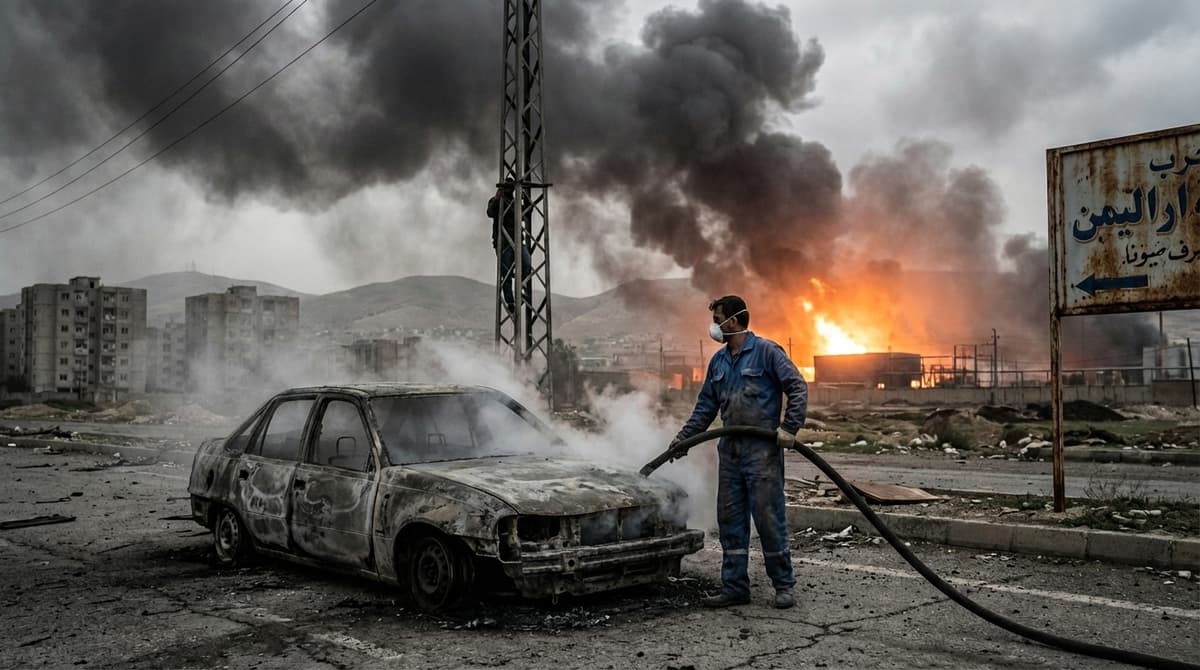
"In just two weeks, the ongoing conflict involving Iran has released 5 million tons of carbon dioxide – an amount equivalent to the annual emissions of 84 countries combined."
This is not just an environmental statistic; it is a direct threat to human health, particularly across the MENA region and African countries. When CO₂ emissions, war, and environmental disasters collide, immediate medical preparedness becomes a matter of life and death.
The War's Immediate Impact on Human Health
The conflict's immediate impact on air quality, infrastructure, and living conditions is already creating dangerous health scenarios across the region:
Respiratory Emergencies
Asthma attacks, chronic bronchitis, and acute respiratory infections are surging due to high particulate matter and pollutants released from burning infrastructure and military activity.
Cardiovascular Crises
Heart attacks, strokes, and stress-related illnesses are increasing in affected populations due to poor air quality, displacement stress, and disrupted healthcare access.
Water & Sanitation Disruptions
Contamination and lack of safe water access raise the risk of infections, diarrheal diseases, and waterborne illness outbreaks in displaced communities.
Mental Health Challenges
Trauma, displacement, and prolonged uncertainty are compounding stress, anxiety, and PTSD among civilians and frontline workers alike.
Indirect Consequences: The Climate-Health Nexus
Even regions far from the frontline face indirect consequences that strain fragile healthcare systems:
Climate Shifts
Altered weather patterns affecting disease vectors and seasonal illness patterns
Heatwaves
Increased heat-related illnesses and mortality, especially among vulnerable populations
Droughts
Water scarcity leading to agricultural collapse and malnutrition crises
Food Insecurity
Supply chain disruptions causing malnutrition and weakened immune responses
1️⃣ Emergency & Acute Care
Rapid supply of respiratory support drugs for asthma, COPD, and acute lung injuries caused by smoke and particulate exposure
Cardiovascular medications to stabilize heart attack and stroke patients during crisis conditions
Antibiotics and treatments for infections caused by disrupted water and sanitation systems
2️⃣ Rapid Deployment & Preparedness
Mobile Clinics
Emergency medical kits and mobile clinic solutions for displaced populations or high-risk areas.
Backup Supplies
Strategic medicine reserves to prevent shortages in hospitals and pharmacies during prolonged crises.
3️⃣ Health System Support & Surveillance
Collaborating with ministries of health to monitor disease outbreaks linked to environmental stress and displacement
Telemedicine support for communities in conflict zones or remote locations with limited healthcare access
Real-time health data collection to track emerging health threats and coordinate response efforts
4️⃣ Public Awareness & Education
Air Quality Precautions
Guidance on protective measures and environmental exposure reduction during conflict-related pollution events
Emergency Recognition
Early recognition tips for respiratory and cardiovascular emergencies in high-stress environments
Why Golden Hour Pharma Matters Now
The reality is stark: conflicts and environmental crises are accelerating, and health systems across MENA and Africa are at risk of being overwhelmed. Golden Hour Pharma's experience, reach, and rapid-response capabilities mean that help can reach those who need it most — fast.
Experience
Years of pharmaceutical supply chain expertise in high-risk environments
Reach
Strategic distribution network across MENA and African regions
Rapid Response
Fast-track deployment capabilities for emergency situations
Quality
WHO-GMP certified manufacturing and quality assurance
"Ready When It Matters Most."
— Golden Hour Pharma Promise
Conclusion
When CO₂ emissions, war, and environmental disasters collide, Golden Hour Pharma ensures that medical care, emergency support, and life-saving solutions are never out of reach. Preparedness today saves lives tomorrow.
Golden Hour Pharma — Ready When It Matters Most.